Introduction to Collision Repair
At North Branch Collision in Wyoming, Minnesota, we know that dealing with vehicle damage can be daunting, especially if you're unfamiliar with the collision repair process. Whether it's a minor fender bender or significant damage, understanding the basics can help ease your worries and make informed decisions. This guide is designed to explain technical concepts in simple terms, making collision repair accessible for everyone, even if you’re a complete beginner.
What is Collision Repair?
Collision repair refers to the process of restoring a vehicle to its pre-accident condition. It involves a series of steps including assessment, repair, and refinishing, often requiring a combination of specialized skills and equipment. This ensures not only the aesthetic restoration of the vehicle but also its structural integrity and safety.
Assessment of Damage
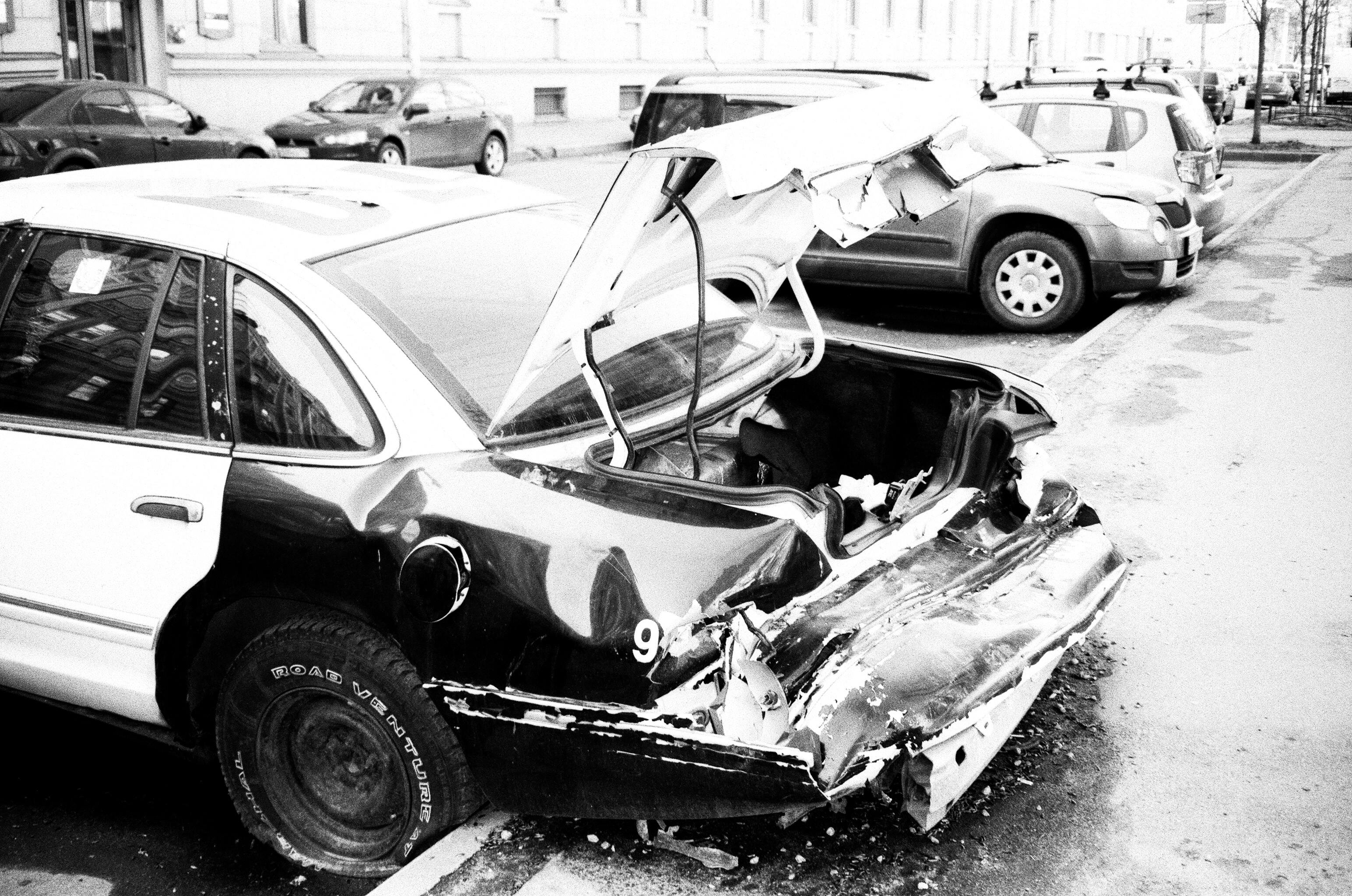
The first step in collision repair is a thorough assessment of the damage. Technicians at North Branch Collision will inspect the vehicle, noting all visible and hidden damages. This involves checking the body, frame, suspension, and even the paintwork. An accurate assessment is crucial for creating a precise repair plan.
Repair Process
Once the damage is assessed, the actual repair work begins. This can include:
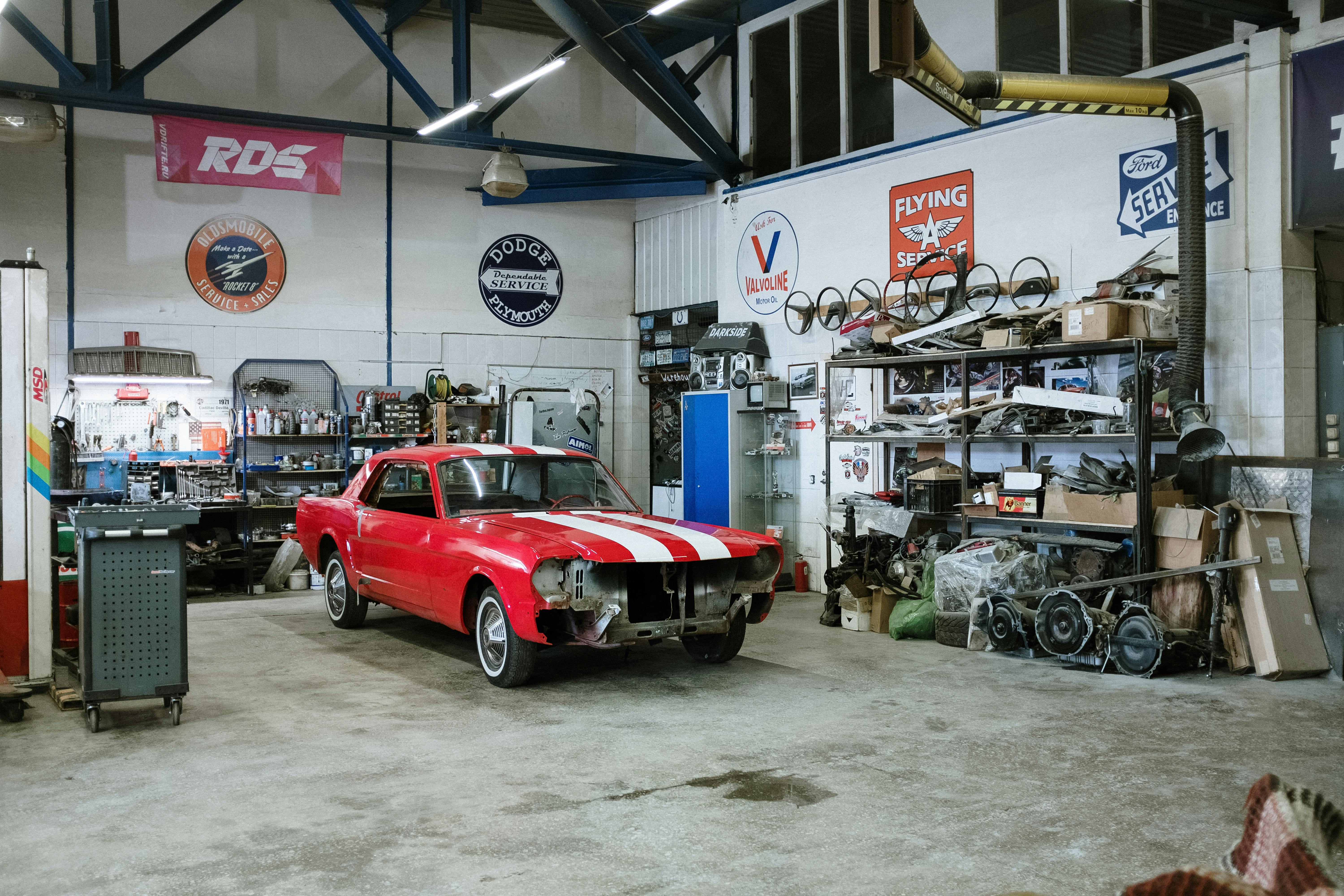
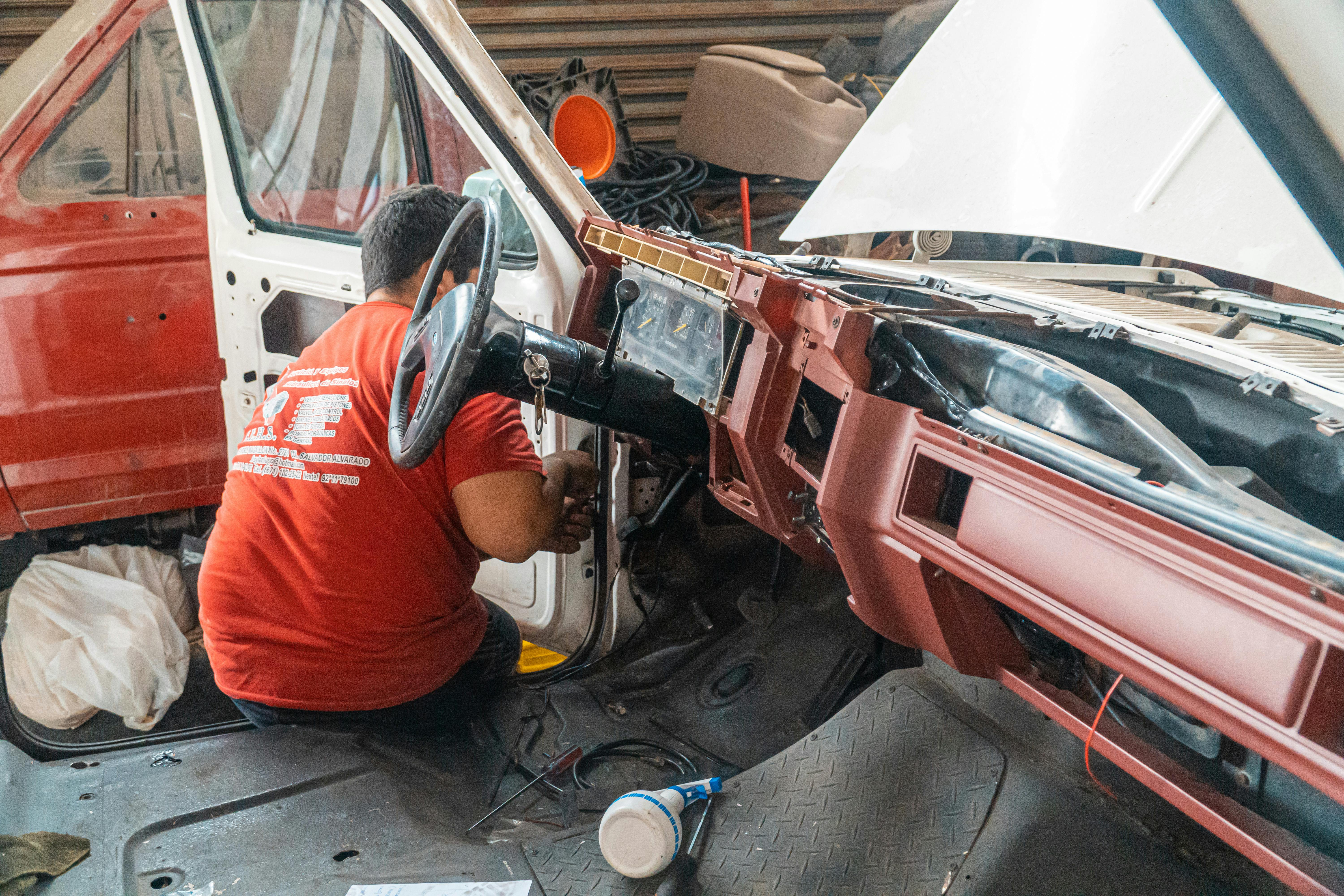
- Body Work: Straightening the frame, replacing or repairing panels, and ensuring the vehicle’s structure is sound.
- Mechanical Repairs: Addressing any issues with the vehicle's mechanical components, such as the engine, transmission, or brakes.
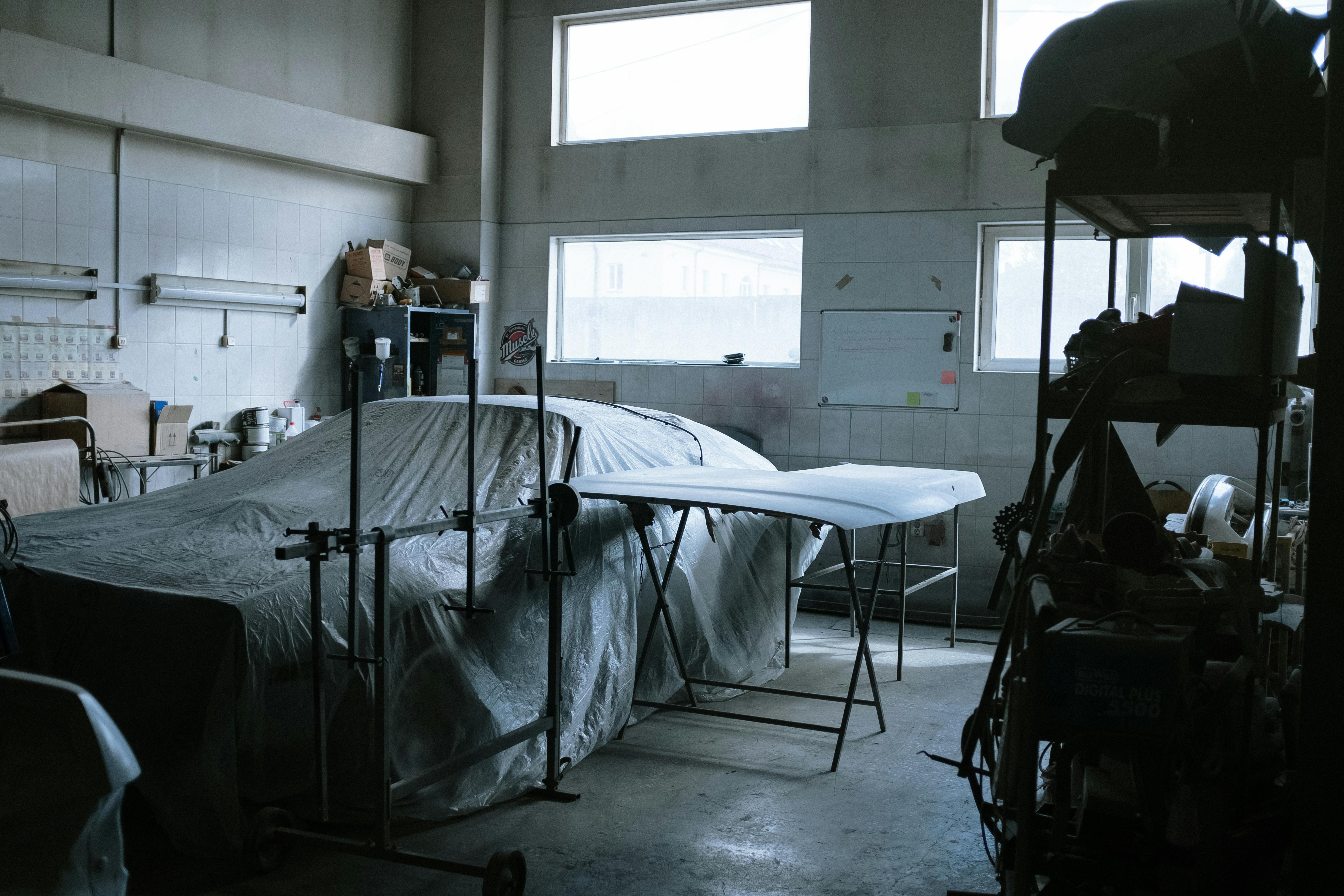
- Paintwork: Matching and applying paint to restore the vehicle’s original look.
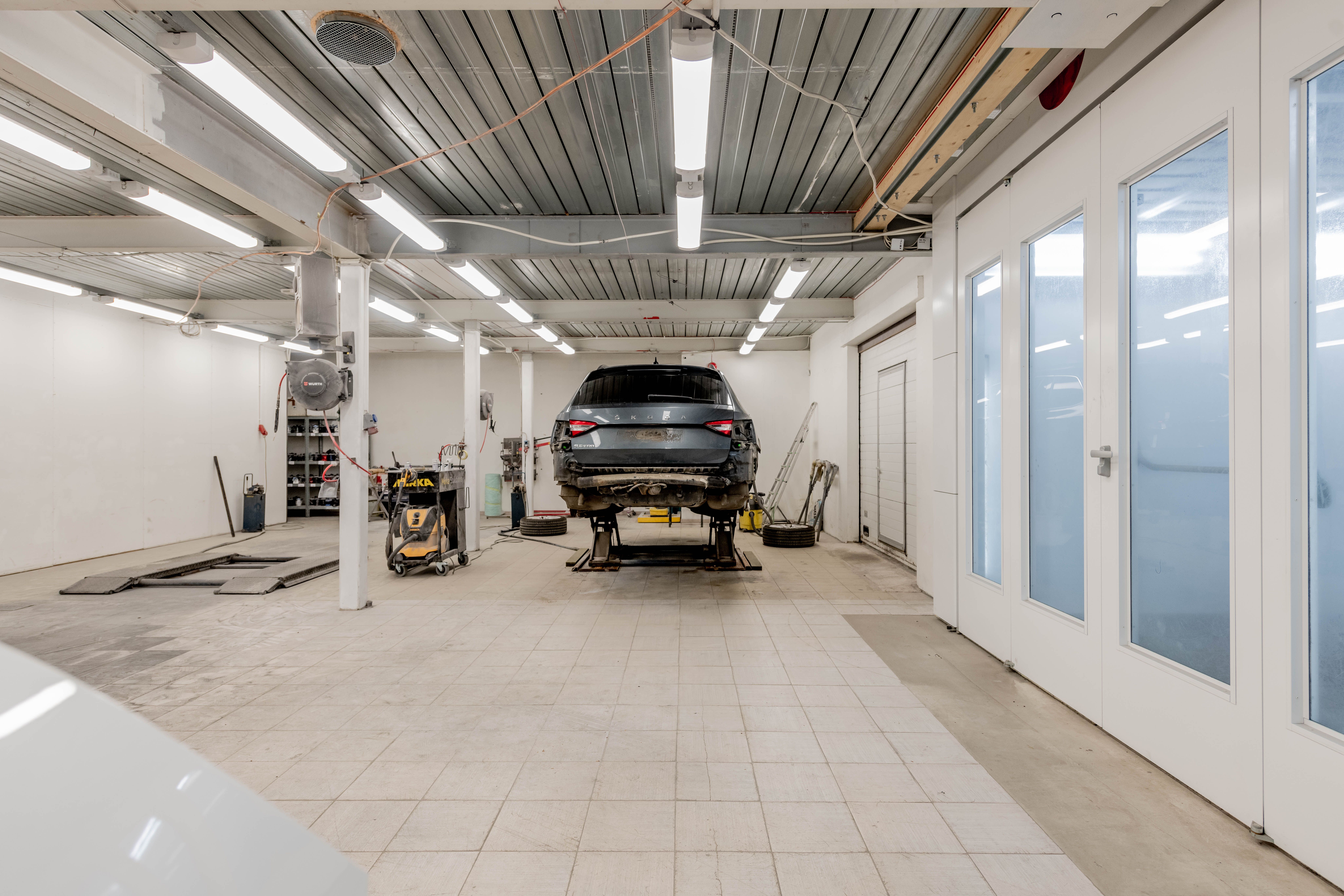
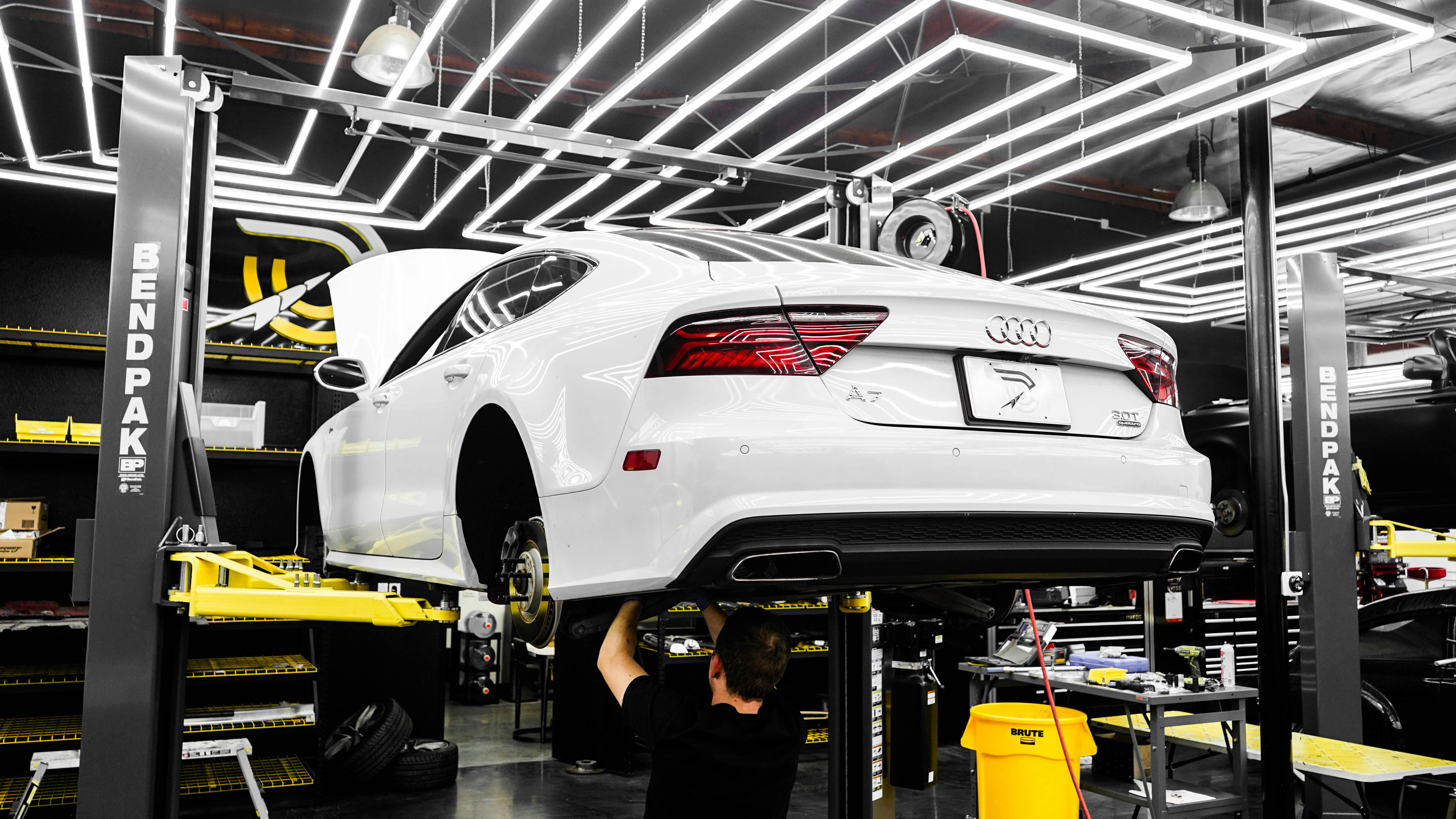
Our team uses state-of-the-art equipment and techniques to ensure high-quality repairs, maintaining the safety and appearance of your vehicle.
Common Collision Repair Terms Explained
Understanding some common terms can help demystify the process:
- Frame Alignment: Ensuring the vehicle's structure is straight and aligned correctly after an accident.
- Bumper Repair: Fixing or replacing a damaged bumper, crucial for safety and aesthetics.
- Paintless Dent Repair (PDR): A technique used to remove minor dents without affecting the paint.
- OEM Parts: Original Equipment Manufacturer parts, which are identical to those originally used in your vehicle.
Choosing the Right Collision Center
Choosing a reliable collision center is crucial for quality repair. Here’s what to look for:
- Certifications: Look for centers with certified technicians who have received formal training.
- Reputation: Check online reviews and ask for recommendations to gauge the center’s reputation.
- Warranty: A good collision center offers a warranty on their repairs.
At North Branch Collision, we pride ourselves on our expertise and customer satisfaction. Our certified technicians are committed to providing top-notch service.
Understanding Insurance Claims
Dealing with insurance can be confusing, but here are the basics:
- Filing a Claim: Report the accident to your insurer as soon as possible and provide all necessary documentation.
- Estimates: The insurer may require multiple repair estimates. At North Branch Collision, we can provide a detailed estimate for you.
- Deductibles: Understand your policy’s deductible, the amount you'll pay out of pocket before insurance covers the rest.
Conclusion
Understanding the collision repair process can empower you to make informed decisions after an accident. At North Branch Collision, our goal is to make this process as seamless and stress-free as possible. With our experienced team and state-of-the-art facility, your vehicle is in good hands. If you have any questions or need assistance, don’t hesitate to reach out to us. We’re here to help the Wyoming, Minnesota community stay safe and get back on the road with confidence.